Milestones
The chatterbox years: play that grows language (3–5)
Between three and five, vocabulary explodes — and the fuel isn't flashcards. It's pretend tea, puppet arguments and stories at bathtime.

IdeaKidz — toys that grow curious minds. Trusted by parents, loved by kids.
Loading this article…

The spoon hits the floor for the fifteenth time and your baby looks at you, delighted, waiting for you to pick it up so the game can continue. It feels like mischief. It is actually a physics course. Your baby is testing whether things fall every time, whether they make the same sound, whether they still exist after disappearing over the tray's edge — and whether you can be reliably operated by a dropped spoon. (You can.)
In my clinic I tell parents the same thing every week: in the first two years, the hands are the curriculum. Nearly everything a baby needs to learn — cause and effect, object permanence, force, texture, distance — arrives through grasping, mouthing, banging, dropping and posting things into other things.
The progression is beautifully predictable. Newborn hands are mostly reflex — touch the palm and it closes. Around four to six months comes the raking, whole-hand grab, which is why chunky rattles and rings matter at this age: they're graspable by an unsophisticated fist. Somewhere around nine months the thumb and forefinger discover each other, and the pincer grip arrives — suddenly crumbs, bits of puff-puff and things you'd rather they didn't find become irresistibly pinchable.
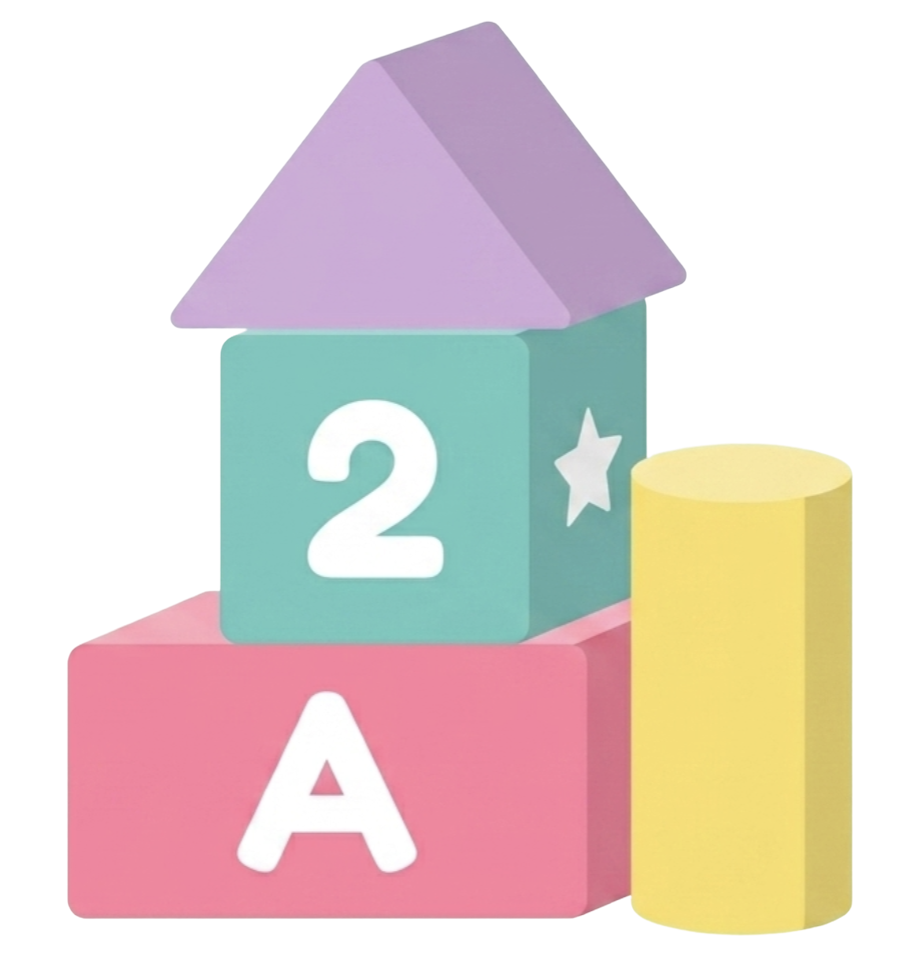
By eighteen months you'll see purposeful stacking, posting shapes into holes and pages being turned in chunky board books. Each stage builds directly on the last, which is why the humble milestone toys — stackers, shape sorters, nesting cups — have never gone out of style. They aren't nostalgic; they're precisely aimed at each rung of this ladder.
A baby dropping a spoon fifteen times is not testing your patience — she is testing gravity, and gravity keeps passing.
Adults get bored; babies get data. The fortieth repetition of cup-into-cup is not a rut — it's the point at which the movement becomes automatic, freeing the brain to notice something new about it. So resist rotating toys too fast. A baby deep in a banging phase doesn't need novelty; she needs more time with the drum.
What tiny hands need most is honestly boring to buy: things that stack, things that nest, things that post, things safe to mouth, in materials with real texture. What they need least is anything with a battery doing the playing for them. If the toy performs while the child watches, the learning is happening inside the toy.
Every child's timeline wobbles, and wobble is normal. But if a baby isn't reaching for objects by around six months, has a strong preference for one hand before their first birthday, or isn't pointing or stacking by eighteen months, it's worth a relaxed chat with your paediatrician. Not because something is wrong — usually it isn't — but because early support, when needed, works wonders precisely because those little hands are learning so fast.
Between three and five, vocabulary explodes — and the fuel isn't flashcards. It's pretend tea, puppet arguments and stories at bathtime.
The milestones nobody prints on charts — losing gracefully, finishing hard things, and playing without you — and the toys that build them.
Party in two days, budget in mind, child you barely know? A mum of four shares the simple matrix that has never once failed her.