Milestones
The chatterbox years: play that grows language (3–5)
Between three and five, vocabulary explodes — and the fuel isn't flashcards. It's pretend tea, puppet arguments and stories at bathtime.

IdeaKidz — toys that grow curious minds. Trusted by parents, loved by kids.
Loading this article…
After twenty years in a primary classroom, I can tell you the milestones that matter most between six and nine are the ones no chart prints. Reading and sums get all the attention, but the children who thrive are the ones quietly mastering three harder things: losing without falling apart, finishing things that got difficult in the middle, and playing happily without an adult running the show.
The good news for parents: all three are trainable, and the training equipment is play. Not educational apps, not extra lessons — board games, big builds and long games of Ludo on a Sunday afternoon.
Around six, children truly grasp competition — and the discovery that they can lose, publicly, at something they care about, hits hard. The tears over a snakes-and-ladders board are not bad behaviour; they are a first, raw encounter with disappointment in a safe place. That's precisely why family game night matters more than it looks. Every game of Whot or draughts is a low-stakes rep at wanting something, not getting it, and going on anyway.
One firm plea from a teacher: do not always let them win. Lose sometimes, honestly, and let them see you lose well — a shrug, a laugh, 'ah, next time' — because children learn losing from watching, not from being lectured after the fact.
Every board game is a rehearsal for disappointment in a place where disappointment is safe — that rehearsal is the whole curriculum.
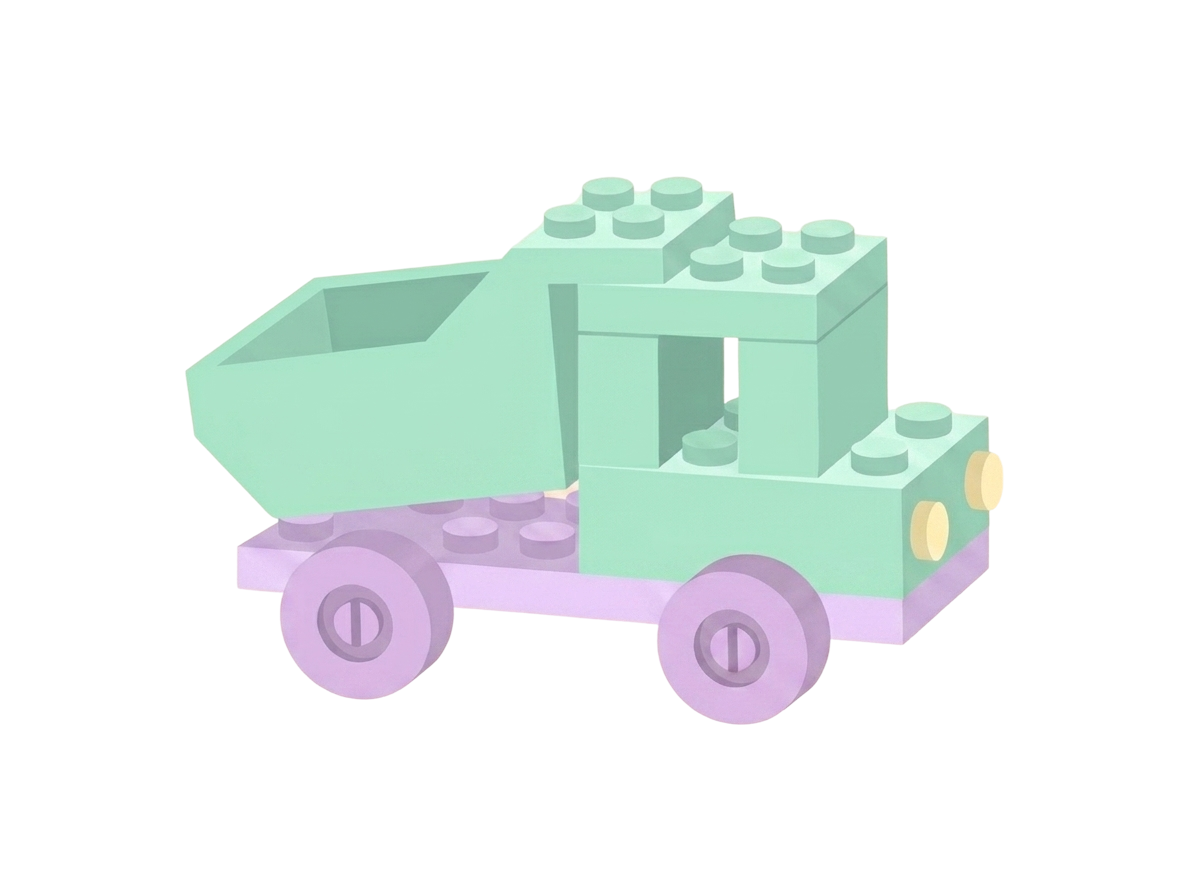
The second milestone is stamina — starting something on Saturday that won't be finished until next Saturday. A 500-piece puzzle, a big model kit, a serious block build. Somewhere in the middle every long project stops being fun, and that moment is the milestone: pushing through the boring middle is the same muscle that will one day finish assignments and, much later, everything else.
Scaffold it lightly. Leave the half-done puzzle out where it can be returned to rather than packed away in defeat. Celebrate the resumption ('you went back to it!') even more than the finish — going back is the actual skill.
By eight or nine, the healthiest sign in the world is a child who disappears into self-directed play — a card game whose rules they invented, an elaborate small-world saga, a den made of every cushion you own. Independence in play predicts independence everywhere else, and it needs two things from you: unscheduled time (a diary packed with lessons leaves no room to get bored, and boredom is where invention starts) and toys with no fixed script. If every afternoon is programmed and every toy plays itself, self-direction has nowhere to grow. Guard the empty Saturday afternoon; it's doing more than it looks.
Between three and five, vocabulary explodes — and the fuel isn't flashcards. It's pretend tea, puppet arguments and stories at bathtime.

Grasping, dropping, banging, posting — the repetitive little games of the first two years are a full-time engineering degree in disguise.
Party in two days, budget in mind, child you barely know? A mum of four shares the simple matrix that has never once failed her.