Toy Guides
The birthday gift matrix: right toy, right age, right budget
Party in two days, budget in mind, child you barely know? A mum of four shares the simple matrix that has never once failed her.

IdeaKidz — toys that grow curious minds. Trusted by parents, loved by kids.
Loading this article…

Every parent knows the sting: the toy that consumed a birthday budget, reigned for six weeks, and then vanished under the bed forever. Most toys are pegged to a developmental moment, and when the moment passes, so does the toy. But a small family of toys does something different — they change jobs as the child changes, reinventing themselves year after year. Buying them is the closest thing toy shopping has to compound interest.
Here are the five with the longest résumés.
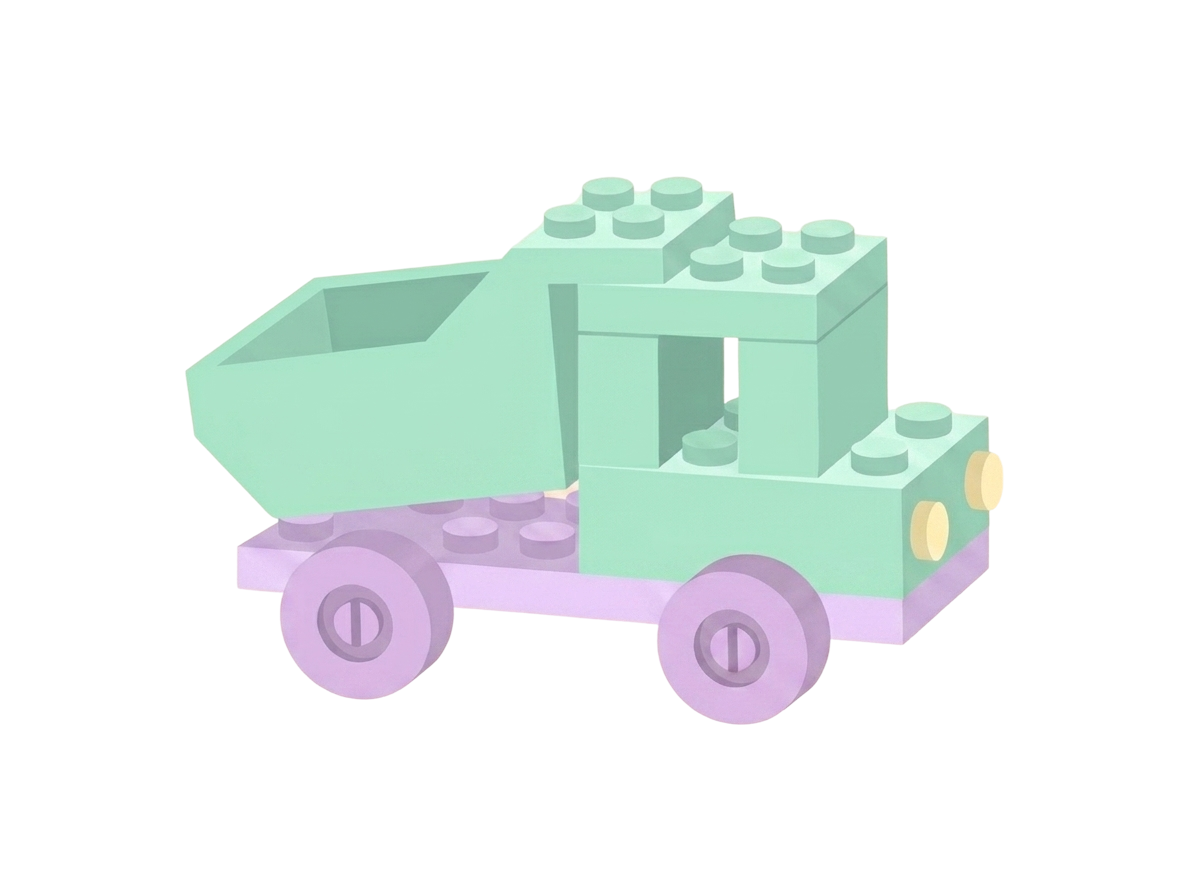
One: building bricks. The one-year-old mouths them, the three-year-old stacks them, the six-year-old follows the instructions, the nine-year-old ignores the instructions, and the twelve-year-old builds a motorised drawbridge. No other object in the house works across a decade like this. Two: magnetic tiles. Flat rainbows at two become 3-D castles at five and marble runs with structural opinions at eight — and because they're quick to build with, they never punish short attention spans.
Three: the play kitchen. It starts as banging pots, becomes elaborate pretend catering (with invoices, if you have a certain kind of child), and ends up hosting the neighbourhood's longest-running restaurant roleplay. Language, negotiation, maths — all served daily. Four: art supplies, endlessly refilled. Scribbles become suns, suns become portraits, portraits become comics with plot arcs. The medium is the same; the mind moves through it. Five: the dress-up basket. Two ankara offcuts and an old hat run a theatre programme from age two to age ten — superheroes first, then kings, then fully scripted productions you will be charged to attend.
The toys that last aren't the ones that do the most — they're the ones that leave the most for the child to do.
Notice the pattern: none of these toys has a script. A toy that does one thing is finished the day the child masters that thing; a toy that does nothing by itself is never finished, because the child supplies the game, and the child keeps changing. Open-endedness isn't a bonus feature — it's the entire mechanism by which a toy grows.
They also share a certain quietness. No lights, no sounds, no app. That's not an aesthetic preference; it's what leaves room for the child's own additions, which is where all the development happens.
Because these five work for years, quality maths works differently: divide the price by a decade, not a season. Buy the sturdy version, buy enough of it (a hundred bricks is a taste; five hundred is a career), and store it where a child can reach it without asking. A growing toy only grows if it's out of the cupboard — the shelf is where compound interest goes to die.
Party in two days, budget in mind, child you barely know? A mum of four shares the simple matrix that has never once failed her.
Wood isn't automatically virtuous and plastic isn't automatically junk. A toy curator on when each material genuinely earns its place.
No lab coat, no special kit — five genuinely wow-worthy experiments you can run tonight with things already in your kitchen cupboard.